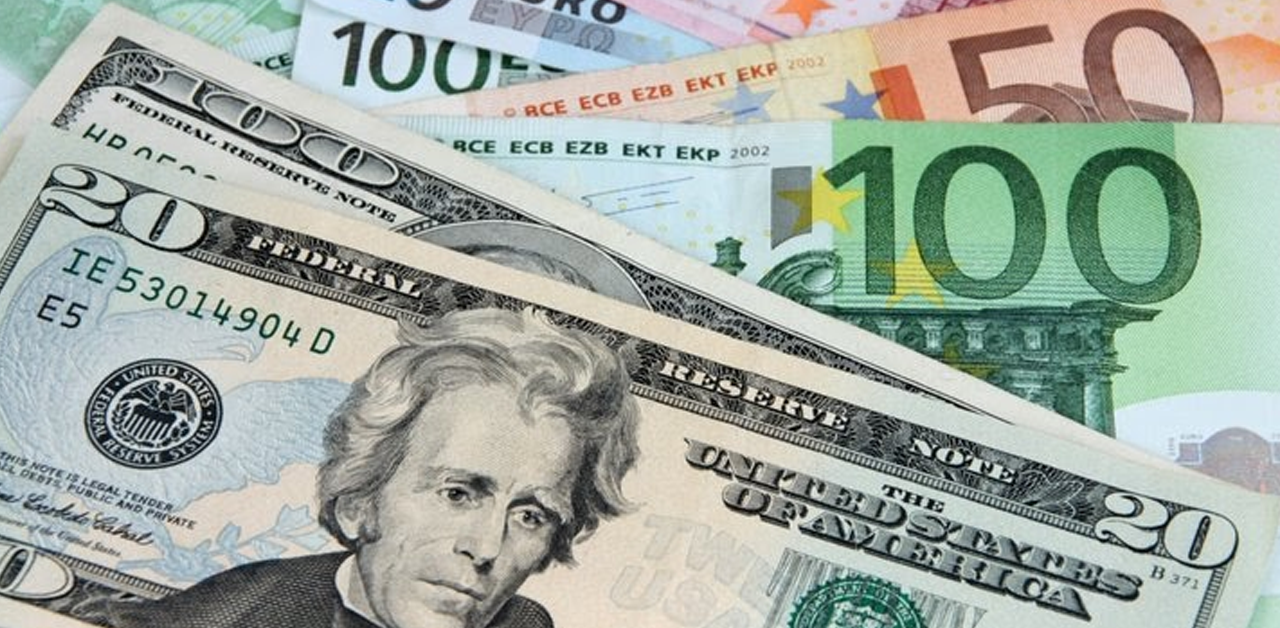
The EUR/USD pair wrapped up last week, flirting with its recent highs, pushing toward 1.1760, and hanging onto most of those gains by Friday’s close. Don’t give the euro too much credit, though. It wasn’t really about European strength—just another round of US Dollar weakness after a jumble of economic reports and a Fed meeting that left everyone squinting for clues.
There’s still some upside here, but it feels shaky. The momentum depends less on what’s going on in Europe and more on whatever news comes out of Washington next.
Fed Delivers the Cut, but Uncertainty Still Looms
The Fed cut rates by a quarter-percentage point, as widely expected. However, the ensuing commentary? It’s not a green light for risk-takers, after all. Fed officials were divided; some wanted to wait and see, while others wanted more aggressive cuts. The new projections were not anticipated by the markets, which implied only one more cut for 2026.
While Jerome Powell recognized that there are now more downside risks to the labour market, he was explicit that inflation remains too high. Following an early, modest decline, the dollar weakened throughout the day as sellers moved in. However, the answer sounded more like a wish than an expected response. All anyone seems to care about is the release date for the data.
Europe Stays Quiet, Focus Shifts Stateside
Over in Europe, the euro didn’t have much to say for itself. The calendar was quiet, and ECB officials kept their heads down ahead of this week’s meeting. The latest data was a mixed bag—Germany’s industrial numbers looked better than expected, but inflation’s still running hot, just not getting any worse.
Now, all attention turns to what’s next. The US jobs report and inflation numbers coming up will set the mood and could shake up rate expectations for early next year. As for the E.C.B., there is a consensus that it will hold steady. So where does EUR/USD go from here? That likely has more to do with what’s happening on the U.S. data front than with what Europe is doing.