
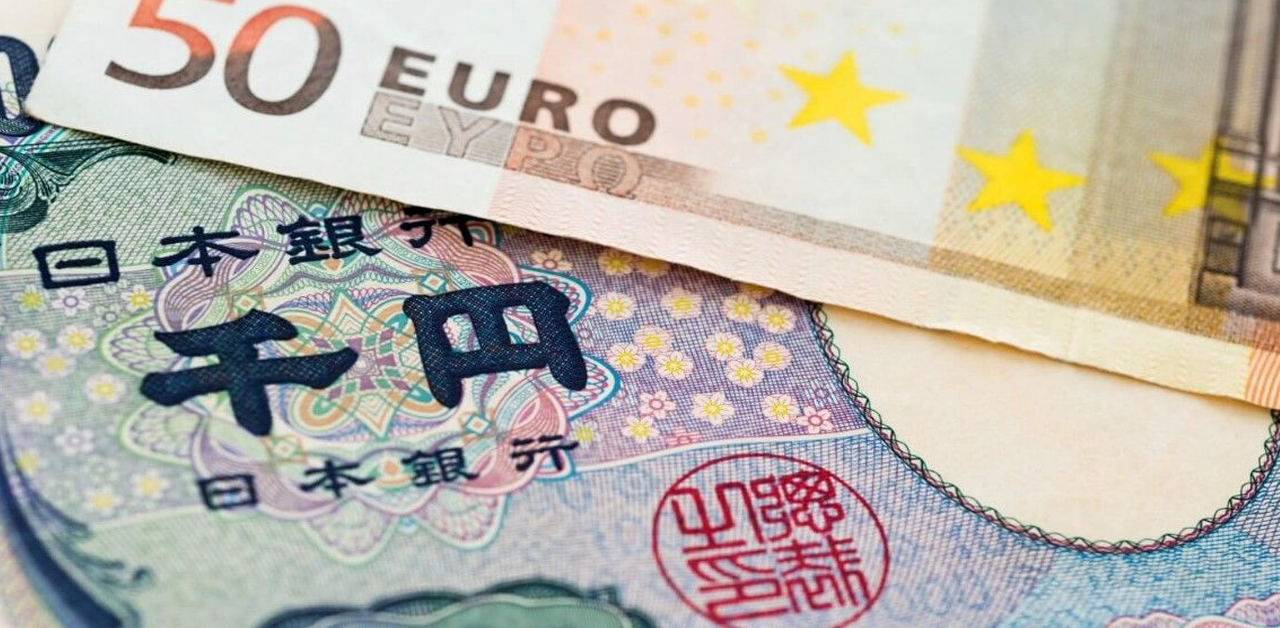
Early on Monday in Europe, EUR/JPY fell to 183.50. The decline coincided with an increase in the value of the Japanese yen; tensions in Venezuela erupted following reports that President Nicolás Maduro and his wife had been detained by US forces over the weekend. Markets are always shaken by such news. Concerned about the future, investors frequently abandon high-risk wagers in search of security. The yen is also the preferred refuge when things are uncertain.
Then there’s the added uncertainty from President Trump. He warned the US might step up military action if Venezuela’s interim leaders don’t play ball as per the USA. That just adds fuel to the fire and leaves people even more nervous about where things are heading in Latin America. No surprise, then, that investors are piling into safe havens and pushing the euro down against the yen.
Bank of Japan Keeps a Lid on Yen Gains
The yen isn’t fleeing, though. The Bank of Japan is being careful not to tighten monetary policy. Most economists expect the BoJ will only act in late 2026, so there is no sign that rates will rise soon. So, even as the yen has its safe-haven shine, that caution from Tokyo discourages traders from piling too deeply into bets for more strength in it.
ECB’s Steady Hand Helps the Euro Hold Up
In the meantime, the European Central Bank is remaining in place. At their most recent meeting, they kept rates unchanged and implied that nothing would probably change until 2026. President Christine Lagarde didn’t even bring up rate hikes or cuts—the message was, “We’re keeping our options open.”
That steady tone stops the euro from sliding too far. Still, as long as the world’s on edge, the yen stays in demand, and EUR/JPY looks set to stay under pressure for now.