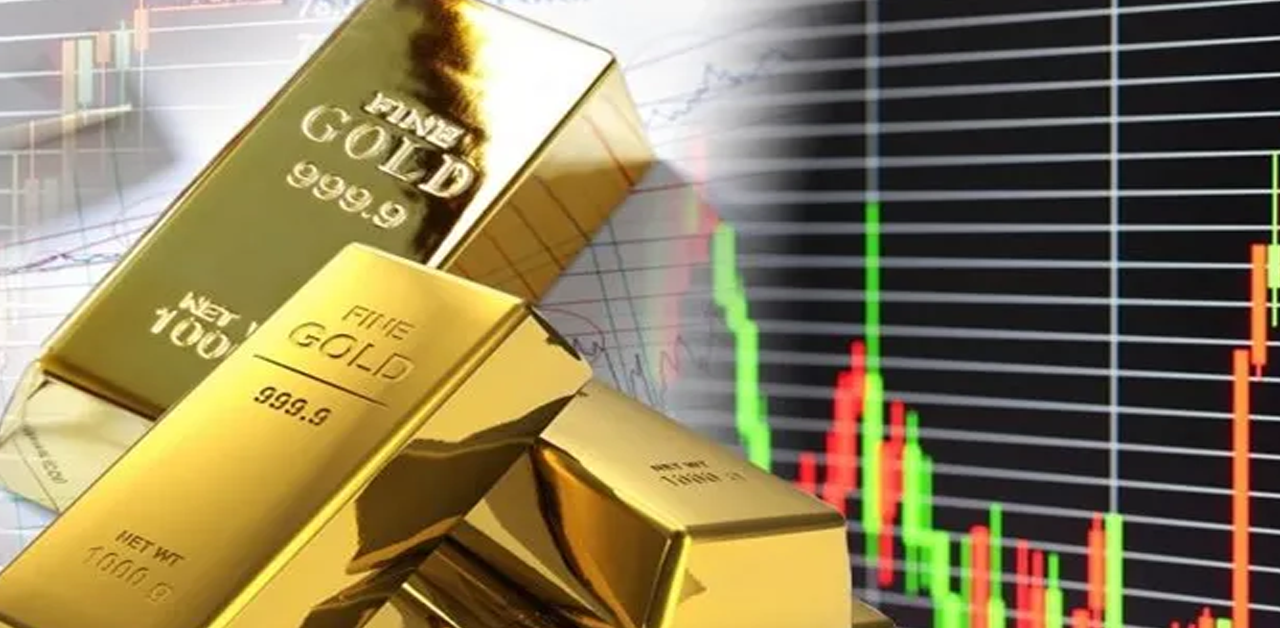

Gold (XAU/USD) comes under notable selling pressure after failing to sustain gains near the $5,100 level overnight, sliding below $4,800 during the Asian session on Thursday. The pullback is largely driven by a firmer US Dollar (USD), which climbs to a two-week high and extends its recovery from a recent four-year low, weighing on the non-yielding metal. Adding to the downside, a state-backed industry body reported a decline in China’s gold consumption in 2025, intensifying intraday losses.
Geopolitical developments have also reduced safe-haven demand, with Iran and the United States agreeing to hold talks in Oman on Friday, easing fears of a wider military escalation. That said, softer US labor market data continues to reinforce expectations of Federal Reserve rate cuts. Wednesday’s weaker ADP employment report highlighted signs of cooling in the jobs market, which could limit aggressive USD buying and provide some underlying support for gold, urging caution among bearish traders.
Daily Digest Market Movers: Mixed forces keep gold bears cautious
China’s gold consumption fell 3.57% in 2025 to 950.096 metric tons, according to a state-backed association, while domestic gold output rose 1.09% year-on-year to 381.339 metric tons.
The USD gained modest traction after US President Donald Trump nominated Kevin Warsh as the next Federal Reserve Chair, fueling speculation that the central bank may adopt a less dovish stance. However, Trump later clarified that he would not have chosen Warsh if he supported rate hikes, reiterating confidence that the Fed will move toward lower interest rates.
Market participants continue to price in at least two rate cuts this year, a view reinforced by weak US private-sector hiring data. The ADP Research Institute reported that private employers added just 22,000 jobs in January, down from a revised 37,000 in the prior month and well below market expectations.
Meanwhile, the US ISM Services PMI remained unchanged at 53.8 in January, signaling ongoing expansion in the sector and offering limited support to the USD, which capped gold’s upside during Asian trade.
Despite the planned Iran-US talks, tensions persist over the scope of negotiations, particularly regarding Iran’s missile program. These unresolved issues could continue to underpin safe-haven flows into gold.
In a longer-term outlook, UBS analysts reiterated a bullish view on gold, describing it as an effective hedge and projecting prices could climb to $6,200 per ounce by mid-2026.
Gold must reclaim $5,000 to revive near-term bullish momentum
Gold’s failure to break above the $5,100 region and the subsequent retreat keeps near-term risks tilted to the downside. The MACD remains above the signal line but shows signs of fading momentum, while the Relative Strength Index (RSI) hovers near 46, reflecting neutral conditions.
Still, the broader technical structure remains constructive as prices hold above the rising 200-period Simple Moving Average (SMA) near $4,677.91. On the upside, the 50% Fibonacci retracement at $4,994.13 marks immediate resistance, followed by the 61.8% level at $5,136.51. A sustained break above these levels would strengthen the bullish outlook and pave the way for further recovery.
For now, mixed momentum signals suggest range-bound trading, with resistance capping advances near $5,000 and downside supported by the ascending 200-period SMA.