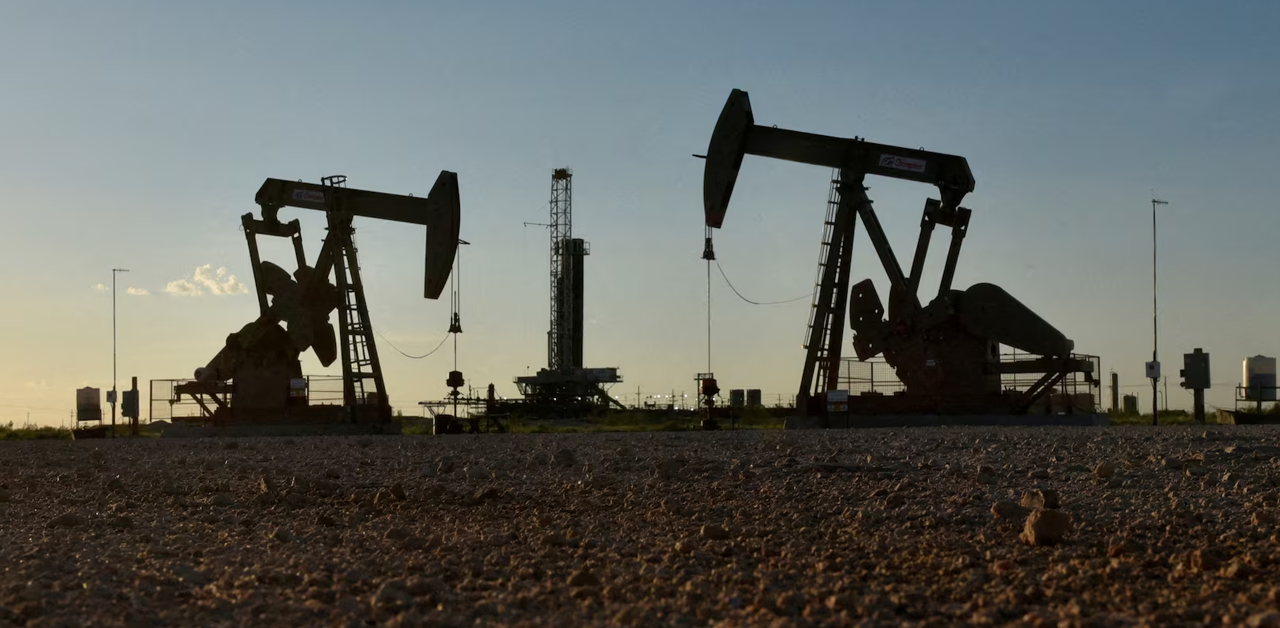
WTI crude prices nudged higher in Thursday’s Asian trading, up about 0.25% and flirting with the $59 mark. The bump came right after Ukraine struck the Druzhba pipeline in Russia’s Tambov region—a major supply line pushing oil into Hungary and Slovakia. With Russian heavyweights Rosneft and Lukoil already hamstrung by sanctions, the attack just cranked up the anxiety over future crude supplies.
Still, WTI hasn’t broken out of its range since Wednesday, which says a lot about how traders are playing it safe. Everyone’s waiting for something more concrete on the geopolitical or policy front before making any bold moves.
US–Russia Peace Talks Stall, Keeping Oil Markets on Edge
The oil market got another jolt after peace talks between the US and Russia fell flat. Former President Trump shared that Steve Witkoff and Jared Kushner met with Putin, and though both sides called the discussion “good,” nothing really changed. The Kremlin and CNN both made it clear—no breakthrough, no end in sight.
With the conflict still dragging on, there’s little hope for smooth oil shipments out of Russia. That keeps a floor under prices, since any fresh disruption can tighten global supplies in a hurry.
All Eyes on Fed as Rate Cuts Loom, Setting Up Oil Demand
Now, the spotlight shifts to the Fed’s upcoming decision next week. Most traders are betting on a 25 basis-point rate cut, which would push US rates down to 3.50%–3.75%. The CME FedWatch tool shows an 89% chance this happens, which would make it three cuts in a row.
Lower rates usually mean more economic activity—and more energy demand. If that plays out, it gives oil prices like WTI some room to run, at least for the near future.